
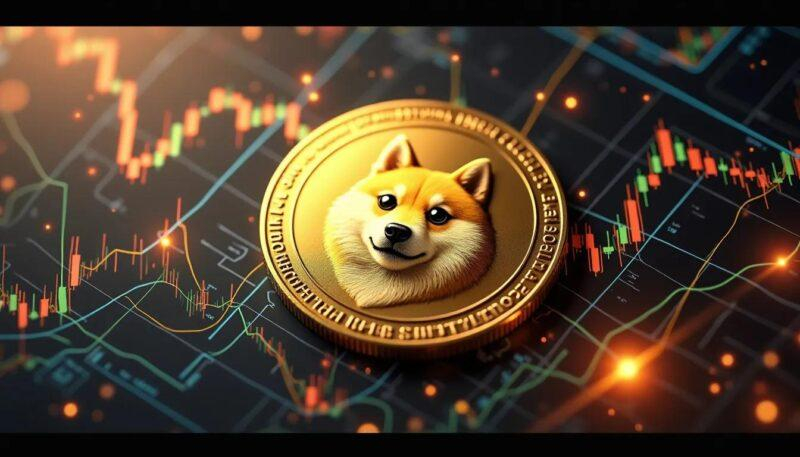
In the fast-paced world of cryptocurrency, Dogecoin has emerged from its playful beginnings to capture the hearts-and wallets-of many investors. But as with any digital asset, owning Dogecoin comes with its own set of risks, especially when it comes to security. Just as you wouldn’t leave your valuables unattended, protecting your Dogecoin from theft requires vigilance and informed strategies. In this article, we’ll explore essential tips to help you guard your Dogecoin effectively, ensuring that your digital treasure stays safely in your hands.
Understanding the Risks Facing Your Dogecoin Wallet
When safeguarding your Dogecoin wallet, it’s crucial to be aware of the diverse range of threats that exist in the digital realm. Unlike traditional currency, cryptocurrency wallets are vulnerable to sophisticated cyberattacks, such as phishing, malware, and keylogger intrusions. Attackers often exploit weak passwords or unsecured networks to infiltrate wallets, making it imperative to adopt strong security practices. Understanding these vulnerabilities helps in building a more robust defense around your digital assets.
Common security risks include:
- Phishing scams – deceptive emails or websites designed to steal login credentials.
- Malware attacks – malicious software that can silently extract your private keys.
- Unsecured Wi-Fi networks – public or poorly encrypted networks that expose your wallet data during transactions.
| Risk | Potential Impact | Prevention Tip |
|---|---|---|
| Phishing | Loss of credentials | Verify website URLs and enable 2FA |
| Malware | Wallet compromise | Use trusted antivirus and avoid unknown downloads |
| Unsecured Networks | Data interception | Use VPNs and avoid public Wi-Fi |
Choosing Secure Storage Solutions for Your Dogecoin
When it comes to safeguarding your Dogecoin, relying on a secure storage solution is non-negotiable. Hardware wallets stand out as one of the safest options, offering offline storage that’s immune to online hacking attempts. These devices generate and store private keys in isolated environments, making unauthorized access extremely difficult. Popular models like Ledger and Trezor provide user-friendly interfaces without compromising on security, ensuring your Dogecoin remains tightly guarded.
For those who prefer software wallets, it’s crucial to choose options with strong encryption and multi-factor authentication capabilities. While convenient, software wallets carry inherent risks such as malware or phishing attacks. To mitigate these threats, always update wallet apps regularly, enable biometric locks where possible, and never share your private keys or recovery phrases. Combining these protective measures helps to build a robust defense against theft attempts.
It’s also wise to diversify your storage methods rather than placing all your Dogecoin in a single spot. Consider segmenting your holdings across multiple wallets – a practice that reduces risk exposure. Here’s a quick comparison of popular storage types for clarity:
| Storage Type | Security Level | Accessibility | Ideal Use |
|---|---|---|---|
| Hardware Wallet | High | Medium | Long-term holding |
| Software Wallet | Moderate | High | Frequent transactions |
| Paper Wallet | High (if stored properly) | Low | Cold storage |
By mixing these options, you create a layered security strategy that minimizes vulnerabilities and maximizes peace of mind.
Implementing Strong Authentication Practices
Multi-factor authentication (MFA) is your first line of defense against unauthorized access. Instead of relying solely on passwords, MFA combines something you know (like a password) with something you have (a mobile device or hardware key) or something you are (biometric data). This layered approach significantly reduces the risk of hackers gaining entry, even if they somehow obtain your password.
When setting up authentication, always opt for hardware wallets or authentication apps instead of SMS-based verification. SMS is vulnerable to interception and SIM swapping attacks, which can leave your Dogecoin vulnerable. Trusted apps like Google Authenticator, Authy, and physical security keys powered by the FIDO standard offer much stronger protection for your crypto assets.
- Use unique, complex passwords that combine letters, numbers, and symbols.
- Enable MFA on all Dogecoin wallets and exchange accounts.
- Regularly update and audit your authentication methods to address new security challenges.
| Authentication Method | Security Level | Ease of Use |
|---|---|---|
| Password Only | Low | High |
| SMS-based 2FA | Medium | Medium |
| Authenticator App | High | Medium |
| Hardware Security Key | Very High | Low |
Recognizing and Avoiding Common Scams and Phishing Attempts
Scammers often disguise their attacks as legitimate communications, making vigilance your first line of defense. Beware of unexpected emails or messages claiming to be from exchanges, wallets, or Dogecoin communities that ask for your private keys, passwords, or request urgent action. These fraudulent attempts usually create a sense of panic or offer too-good-to-be-true deals. Always double-check sender addresses and avoid clicking links or downloading attachments from unknown sources.
Phishing websites cleverly mimic authentic Dogecoin platforms to steal your credentials. To protect yourself, verify the URL before entering any sensitive information. Look for https:// and ensure the domain matches the official site exactly. Using bookmarks for your trusted crypto sites and enabling two-factor authentication (2FA) can add critical extra layers of protection. Remember, no reputable service will ever ask for your private key via email or chat.
Here’s a quick reference to spot common red flags in suspicious Dogecoin phishing attempts:
- Urgency tactics: Messages pressuring immediate action or threatening account suspension.
- Grammar errors: Poor English or strange phrasing in emails or websites.
- Unsolicited contact: Unexpected requests for personal info, especially your wallet data.
- Too-good-to-be-true offers: Promises of massive returns or free Dogecoin giveaways.
| Scam Type | Common Indicator | Best Response |
|---|---|---|
| Fake Exchange Email | Misspelled domain names | Verify URL, do not click links |
| Phishing Website | No SSL certificate | Close site, use bookmarks |
| Impersonation Scam | Requests private keys | Ignore message, report sender |
Regularly Updating and Monitoring Your Dogecoin Security Settings
In the ever-evolving landscape of cryptocurrencies, staying vigilant with your security settings is paramount. Cyber threats adapt quickly, and what was considered safe yesterday might be vulnerable today. Regularly revisiting your Dogecoin wallet configurations, including passwords, two-factor authentication (2FA), and backup protocols, ensures you close gaps before attackers can exploit them. Setting calendar reminders to perform these checks can transform casual safety measures into disciplined habits.
Automation tools and security apps can simplify this process, but nothing beats a hands-on review. Pay special attention to software updates and firmware patches, as developers frequently release fixes to thwart newly discovered vulnerabilities. These updates not only strengthen your defenses but often introduce enhanced features that improve your overall experience. Remember, neglecting updates can leave your wallet exposed to easily preventable risks.
To guide your routine security maintenance, consider this simple checklist:
- Change passwords every 3-6 months and avoid reuse.
- Enable 2FA where possible, preferably using an authenticator app.
- Verify backup integrity and update stored recovery phrases.
- Monitor account activity for unauthorized logins or withdrawals.
- Review connected devices and revoke accesses you no longer recognize.
| Security Task | Suggested Frequency |
|---|---|
| Password Change | Every 3-6 months |
| 2FA Audit | Monthly |
| Backup Verification | Quarterly |
| Software Update | Immediately upon release |
| Device Access Review | Monthly |
Q&A
Q&A: Guarding Your Dogecoin – Essential Tips to Prevent Theft
Q1: Why is it important to protect my Dogecoin?
A1: Just like physical cash, Dogecoin holds value that can attract thieves. Without proper security measures, your digital assets are vulnerable to hacking, phishing, and scams, which can lead to irreversible loss.
Q2: What are the safest ways to store Dogecoin?
A2: The safest storage methods include hardware wallets-physical devices that store your private keys offline-and reputable software wallets with strong encryption. Cold wallets, which keep assets completely offline, offer maximum protection from online threats.
Q3: How can I create a strong password for my Dogecoin wallet?
A3: Use a unique, complex password composed of a mix of letters (both uppercase and lowercase), numbers, and special characters. Avoid common phrases or easily guessable information. Consider using a password manager to generate and store complex passwords securely.
Q4: What role does two-factor authentication (2FA) play in securing Dogecoin?
A4: 2FA adds an extra layer of security by requiring a second form of verification beyond your password, such as a code from your phone or a hardware token. This decreases the likelihood that hackers gain access even if your password is compromised.
Q5: Are public Wi-Fi networks safe for accessing my Dogecoin wallet?
A5: Public Wi-Fi is generally unsafe for managing cryptocurrency because it can expose your data to interception. Always use a secure, private internet connection or a trusted VPN when accessing your wallet or making transactions.
Q6: What should I watch out for to avoid Dogecoin scams?
A6: Be wary of unsolicited messages promising guaranteed returns, impersonators claiming to be official support, and phishing websites that mimic legitimate platforms. Always verify URLs, never share your private keys, and beware of offers that sound too good to be true.
Q7: How can I safely back up my Dogecoin wallet?
A7: Backup your wallet’s seed phrase or private keys on paper stored in a secure location-not digitally, where it can be hacked. Consider multiple backups in different secure places to prevent loss from fire or theft.
Q8: Is it advisable to share my Dogecoin holdings with others?
A8: Generally, it’s best to keep your holdings and wallet details private. Sharing this information increases the risk of theft or unwanted attention.
Q9: What should I do if I suspect my Dogecoin wallet has been compromised?
A9: Act quickly by transferring your remaining funds to a new wallet with strong security practices. Change all relevant passwords and enable 2FA. Inform the exchange or wallet provider, and report the incident to appropriate authorities if necessary.
Q10: Where can I learn more about securely managing cryptocurrency like Dogecoin?
A10: Trusted cryptocurrency websites, official Dogecoin community forums, and educational resources from reputable exchanges offer valuable guides and updates. Staying informed is a vital part of protecting your digital assets.
Key Takeaways
In a digital landscape where opportunities and risks dance in close proximity, safeguarding your Dogecoin is not just a precaution-it’s a necessity. By embracing smart security habits, staying informed, and treating your assets with the care they deserve, you can navigate the crypto world with confidence and peace of mind. Remember, in the realm of Dogecoin, protection is the key that keeps your treasure safe from unwanted hands. Guard it wisely, and let your digital journey continue unburdened.
