

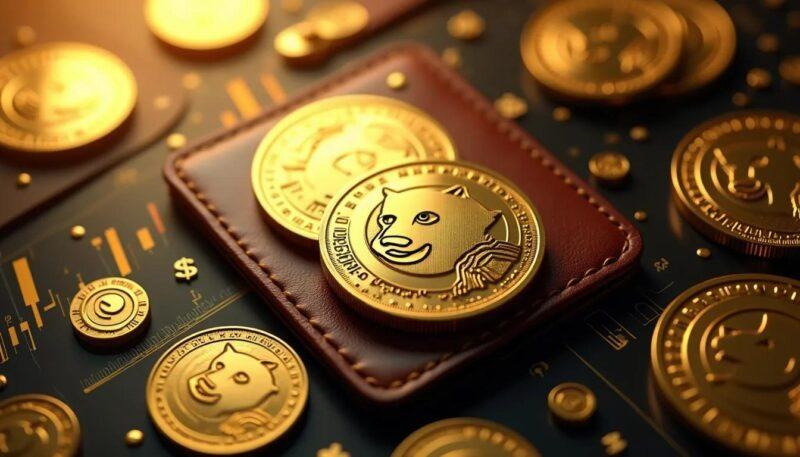
In the evolving landscape of cryptocurrency, security remains a paramount concern for investors and enthusiasts alike. As Dogecoin continues to capture the attention of the digital currency community, managing its assets with enhanced protection methods becomes increasingly important. Enter the MultiSig wallet-a sophisticated yet accessible tool designed to safeguard your Dogecoin holdings through collective authorization. This article delves into the process of creating a secure MultiSig wallet tailored for Dogecoin, exploring how distributed control can transform the way you manage your digital assets while minimizing risks in an unpredictable crypto world.
Understanding the Fundamentals of MultiSig Wallets for Dogecoin
Multi-signature (MultiSig) wallets redefine digital asset security by requiring multiple private keys to authorize a transaction. This mechanism drastically reduces the risk of theft, as even if one key is compromised, unauthorized access is prevented without the others. For Dogecoin holders, this technology offers peace of mind by distributing control, enabling shared ownership and safeguarding assets against single points of failure.
At its core, a MultiSig wallet operates on an “M-of-N” system, where M denotes the minimum number of signatures required out of N total keys. This flexibility allows user-defined security levels tailored to specific needs – whether it’s a simple two-of-three setup for family funds or a more complex five-of-seven for organizational trust. The balance between convenience and security can be finely tuned, encouraging responsible management of Dogecoin holdings.
- Enhanced Security: Multiple approvals are needed to move funds, limiting risks from hacking or theft.
- Shared Control: Ideal for partnerships and groups where collective decision-making is essential.
- Customizable Thresholds: Flexibility to set how many signatures are necessary for transactions.
| Feature | Benefit |
|---|---|
| Multi-approval | Prevents unauthorized access |
| Distributed Keys | Minimizes single point of failure |
| User-defined Threshold | Matches security to user needs |
Choosing the Right MultiSig Configuration for Enhanced Security
When securing your Dogecoin funds with a MultiSig wallet, selecting the right combination of signatories and approval thresholds is paramount. A common approach is the m-of-n configuration, where you require m signatures out of n total signers to authorize a transaction. This balance ensures that no single party holds excessive control, while still maintaining usability in various scenarios, such as recovery or joint management.
Consider the roles and trust levels of each participant before deciding on your configuration. For families or small groups, a 2-of-3 setup often provides an optimal mix of security and convenience. For organizations handling larger amounts or requiring heightened control logic, more complex layouts like 3-of-5 or even 4-of-6 can be adopted. Remember, while increasing the number of required signatures improves security, it can also make access slower and more cumbersome-finding the right equilibrium is key.
| Configuration | Pros | Cons |
|---|---|---|
| 2-of-3 | Easy recovery, good security | Less resistant to collusion |
| 3-of-5 | Higher security, flexible control | Slower transaction approvals |
| 4-of-6 | Robust security, suitable for large teams | Complex coordination required |
Finally, don’t overlook the importance of the physical and digital security of your signatories’ private keys. Even the most secure MultiSig setup can be compromised if the private keys are not carefully protected from loss, theft, or phishing attacks. Pairing the right configuration with vigilant key management practices elevates your Dogecoin wallet’s defense against unauthorized access.
Step-by-Step Guide to Setting Up Your Dogecoin MultiSig Wallet
Begin by selecting a reliable wallet provider that supports Dogecoin MultiSig functionality. Popular choices include Electrum-DOGE or hardware wallets like Ledger and Trezor integrated with compatible software. Once you have chosen your platform, create individual wallets for each participant in your MultiSig setup. Each participant will generate their own unique public and private key pair, which forms the foundation of your multisignature scheme.
Next, combine the public keys from all participants to generate the MultiSig wallet address. This address requires a predefined number of signatures (for example, 2 out of 3) to authorize any transaction, enhancing security by preventing unauthorized spending. The process varies by software but usually involves importing or sharing each participant’s public key in the wallet interface, then confirming the threshold for signatures required.
To finalize your setup, test the multisig wallet by sending a small amount of Dogecoin to it and executing a transaction that requires multiple signatures. Make sure each participant signs the transaction in their respective wallet software before broadcasting it on the network. Below is a quick reference table outlining common MultiSig configurations and their benefits:
| MultiSig Setup | Security Level | Usage Use-Case |
|---|---|---|
| 2-of-3 | High | Family Funds or Small Teams |
| 3-of-5 | Very High | Corporate Wallets |
| 1-of-2 | Low | Backup Authorization |
Best Practices for Managing and Accessing Your MultiSig Wallet Safely
When handling a MultiSig wallet for Dogecoin, prioritizing security is non-negotiable. First, ensure that your private keys are never stored digitally all in one place. Distribute them across multiple secure devices or even offline hardware wallets. This minimizes single points of failure and significantly reduces the risk of theft or loss. Additionally, consider using hardware wallets known for MultiSig compatibility, as they provide hardened security layers resistant to malware and phishing attacks.
Access control should be managed with deliberate caution. Always implement a strict protocol for who can approve transactions, and regularly review permissions. Using multi-factor authentication (MFA) combined with biometric verification where available can substantially strengthen access security. Make backup plans that employ encrypted backups stored in diverse geographical locations. This approach ensures recovery in case of device failure without compromising privacy or integrity.
Here’s a simple checklist to keep your MultiSig wallet safe and well managed:
- Distribute private keys across secure, separate locations.
- Use hardware wallets that support your MultiSig setup.
- Implement multi-step approvals for all transactions.
- Regularly update wallet software to patch vulnerabilities.
- Perform secure, encrypted backups and store offline.
- Limit access to only trusted participants.
| Security Aspect | Recommended Action |
|---|---|
| Key Storage | Split & store offline |
| Access Control | MFA + Biometric |
| Transaction Approval | Multi-step confirmations |
| Backups | Encrypted & geographically diverse |
Securing Recovery Options and Preparing for Potential Challenges
When managing a MultiSig wallet for Dogecoin, having secure recovery options is paramount. Each signer should store their private keys in separate, secure locations-preferably using hardware wallets or encrypted storage devices. Additionally, consider implementing a multi-layered backup approach, such as combining offline paper wallets with encrypted digital backups. This balance ensures that even if one backup method fails or is compromised, access to funds remains intact.
Prepare for common challenges by documenting the wallet’s access protocols and keyholder responsibilities clearly. Share this documentation securely among co-signers, using password-protected files or secure communication channels. In case a keyholder loses access or becomes unresponsive, having a predefined process for emergency access or key replacement will minimize delays and reduce risk of fund loss.
Below is a sample checklist to guide your recovery preparedness:
| Recovery Step | Recommended Action |
|---|---|
| Backup Key Storage | Store in hardware wallet & offline paper backup |
| Access Protocol | Document signatures & emergency contacts |
| Secure Communication | Use end-to-end encrypted messaging |
| Periodic Testing | Schedule key recovery drills annually |
Staying vigilant and prepared not only protects your Dogecoin assets but also builds resilience against technical failures and unforeseen events. Through these thoughtful security layers, your MultiSig wallet becomes a fortress, ready to withstand potential challenges on the road ahead.
Q&A
Q&A: Creating a Secure MultiSig Wallet for Dogecoin
Q1: What exactly is a MultiSig wallet, and why should I consider using one for Dogecoin?
A MultiSig (multi-signature) wallet requires multiple private keys to authorize a transaction, rather than just one. Think of it as a digital safe with several locks-each key holder must agree before any coins move. For Dogecoin holders, this means enhanced security, protection against single points of failure, and safer management for shared funds or corporate accounts.
Q2: How does a MultiSig wallet improve security compared to a regular Dogecoin wallet?
Traditional wallets rely on a single private key. If that key is lost, stolen, or compromised, the funds are at risk. A MultiSig wallet, however, distributes control across multiple keys. Even if one key falls into the wrong hands, without the rest, thieves can’t access your DOGE. This layered approval approach minimizes risks like hacking, phishing, or accidental spending.
Q3: What are the basic steps to create a MultiSig wallet for Dogecoin?
First, you need wallet software or a service that supports Dogecoin MultiSig functionality. The general steps include:
- Generating multiple key pairs (each representing an owner).
- Defining the signature threshold, such as 2-of-3 (two keys must sign to approve).
- Combining the public keys into a single MultiSig address.
- Fund the address with Dogecoin.
- When spending, a sufficient number of key holders sign the transaction before broadcasting it to the network.
Q4: Are there any tools or platforms recommended for setting up a Dogecoin MultiSig wallet?
While Dogecoin’s infrastructure is similar to Bitcoin’s, fewer platforms currently support multi-signature wallets for DOGE compared to BTC. Tools like Electrum-DOGE (a Dogecoin fork of Electrum) or custom implementations using Dogecoin Core with advanced scripting can work. Always ensure you use reputable and actively maintained tools to avoid security pitfalls.
Q5: What challenges should I be aware of when using MultiSig wallets with Dogecoin?
MultiSig setup can be more complex than single-key wallets, potentially intimidating for beginners. Transaction signing requires coordination among key holders, so efficient communication is vital. Also, because multi-signature transactions are larger in size, fees may be slightly higher. Lastly, not all Dogecoin wallet apps fully support MultiSig, so compatibility and support levels should be thoroughly vetted.
Q6: Can I recover my Dogecoin if I lose one of my MultiSig private keys?
It depends on your MultiSig configuration. For example, in a 2-of-3 setup, losing one key doesn’t mean losing access-as long as you have the other two keys. However, if the number of lost keys exceeds your threshold, your funds become inaccessible. Always back up each key securely and consider recovery plans accordingly.
Q7: How can MultiSig wallets benefit Dogecoin communities or organizations?
MultiSig wallets empower groups to collectively safeguard and manage funds, promoting transparency and reducing risks of misuse. For Dogecoin-based projects, charitable donations, or community treasuries, MultiSig ensures that spending happens only with consensus, fostering trust and accountability.
Q8: Is it possible to integrate MultiSig Dogecoin wallets with hardware wallets?
Yes, many hardware wallets that support Dogecoin can be part of a MultiSig scheme, significantly strengthening security. For instance, combining multiple hardware wallets as signers means private keys never leave their devices, and multiple physical devices must cooperate to approve spending. This approach is ideal for high-value holdings or organizational funds.
Q9: What best practices should I follow to maintain the security of my Dogecoin MultiSig wallet?
- Use strong, unique keys and generate them in secure environments.
- Store each private key offline or in hardware wallets when possible.
- Regularly back up all keys and wallet configurations.
- Agree upon clear procedures among signers for transaction approval.
- Keep your software up to date and verify authenticity.
- Test the process with small transactions before moving large sums.
Q10: Where can I learn more or seek help if I want to set up a MultiSig wallet for Dogecoin?
Explore official Dogecoin community forums, developer documentation, and GitHub repositories. Online crypto security courses and tutorials often cover MultiSig concepts applicable to Dogecoin. Engaging with experienced users via Reddit or Discord communities can also provide valuable insights and guidance.
Creating a secure MultiSig wallet for Dogecoin is like assembling a digital fortress-with multiple sentries guarding your funds. While it requires some technical finesse and careful management, the resulting security and peace of mind can be well worth the effort.
In Retrospect
Building a secure MultiSig wallet for Dogecoin is more than just a technical exercise-it’s a commitment to safeguarding your digital assets in an increasingly complex landscape. By spreading control across multiple keys, you transform security from a single point of failure into a collaborative fortress. Whether you’re a casual enthusiast or a serious investor, embracing MultiSig solutions empowers you with greater control, resilience, and peace of mind. As the Dogecoin community continues to grow and evolve, so too should the ways we protect its worth-layering simplicity with security, one signature at a time.
