

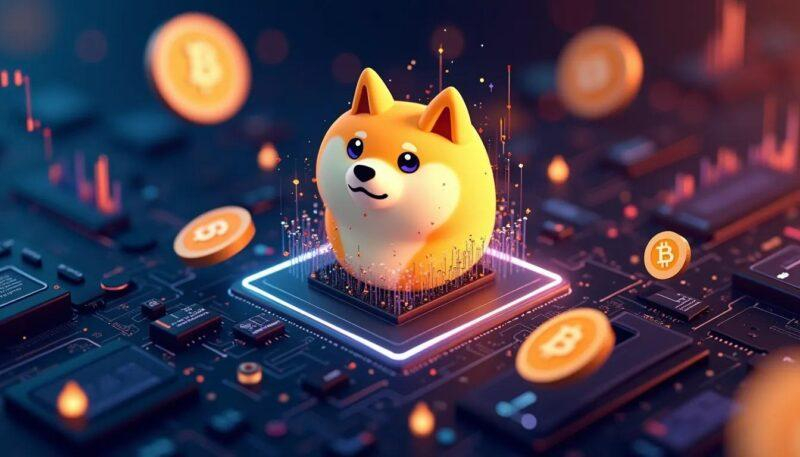
In the digital age, where cryptocurrencies have revolutionized how we think about money, Dogecoin has emerged as a playful yet powerful player in the market. But behind the meme-inspired charm lies a critical need for vigilance. As Dogecoin continues to capture the imagination of investors and enthusiasts alike, safeguarding your digital assets has never been more important. This article unveils essential cybersecurity tips to help you protect your Dogecoin holdings-from securing your wallets to recognizing potential threats-arming you with the knowledge to navigate the ever-evolving world of crypto safely.
Understanding the Risks Facing Your Dogecoin Holdings
When holding Dogecoin, the digital world paints both opportunity and hidden pitfalls. One of the most precarious threats comes from phishing attacks-clever attempts by cybercriminals to trick you into revealing your private keys or login credentials. These scams often mask themselves as official wallet updates or exchange notifications, making vigilance your best defense. Remember, no legitimate service will ever ask for your private key via email or chat.
Beyond phishing, your Dogecoin holdings are susceptible to software vulnerabilities and outdated security practices. Running wallets or exchange apps on unsupported devices or ignoring regular updates can open backdoors for hackers. Similarly, using weak passwords or reusing them across platforms drastically increases exposure. Embracing multi-factor authentication (MFA) provides an essential extra layer of security, requiring more than just a password to gain access.
Consider the risks of centralized exchanges and custodial wallets. While convenient, they pose a single point of failure-if hacked, your coins could be at risk. Many savvy holders opt for hardware wallets or cold storage solutions, isolating their Dogecoin offline. Below is a quick comparison of common storage methods to help you gauge vulnerability levels:
| Storage Method | Security Level | Vulnerability | Best Use Case |
|---|---|---|---|
| Hot Wallet | Medium | Online hacking | Frequent trading |
| Hardware Wallet | High | Physical loss/theft | Long-term holding |
| Custodial Exchange | Low to Medium | Exchange hacks, insider threats | Convenience & liquidity |
| Paper Wallet | High | Physical damage or loss | Cold storage |
Choosing Strong Wallets for Maximum Security
When it comes to safeguarding your Dogecoin assets, the choice of wallet plays a pivotal role. A sturdy wallet not only stores your coins but also acts as the first line of defense against cyber threats. Opt for wallets that prioritize private key control, ensuring only you hold the access codes to your funds. Hardware wallets, known for their offline storage capabilities, significantly reduce exposure to hacks and malicious software.
Another critical factor is the wallet’s reputation within the crypto community. Look for wallets with a history of consistent updates and security patches, as these demonstrate ongoing commitment to protecting users. Many strong wallets also offer multi-factor authentication and encryption layers, adding extra shields against unauthorized access. Avoid wallets with closed-source software or those lacking transparent security audits.
| Wallet Type | Security Feature | Ideal Use |
|---|---|---|
| Hardware Wallet | Offline private key storage | Long-term holding |
| Software Wallet | Regular updates & encryption | Frequent transactions |
| Mobile Wallet | Biometric authentication | On-the-go spending |
Finally, consider usability alongside security. The strongest wallet is only effective if you can use it confidently. Features like intuitive interfaces, recovery options, and customer support are crucial. Prioritize wallets that strike a balance between robust security measures and accessibility, ensuring you can manage your Dogecoin effortlessly without compromising safety.
Implementing Two-Factor Authentication to Protect Access
Adding an extra layer beyond just a password is crucial to safeguarding your Dogecoin holdings. By requiring a second form of verification, two-factor authentication (2FA) drastically reduces the risk of unauthorized access-even if your password is compromised. This means that, alongside entering your usual credentials, you’ll need to provide a unique code generated by an authentication app or sent via SMS. This double-lock approach helps keep hackers at bay, reinforcing the gate guarding your valuable crypto assets.
Setting up 2FA is often simpler than it sounds. Many wallets and exchange platforms support popular apps like Google Authenticator, Authy, or Microsoft Authenticator. Once linked, these apps generate time-sensitive, one-time codes that refresh every 30 seconds. Remember to store your backup recovery keys safely; without them, losing access to your 2FA device can lock you out permanently. For better clarity, here’s a quick comparison of common 2FA methods:
| 2FA Method | Security Level | Convenience |
|---|---|---|
| Authenticator Apps (Google/Authy) | High | Moderate |
| SMS Codes | Medium | High |
| Hardware Tokens | Very High | Low |
When implementing this security feature, always enable it wherever possible-whether on exchanges, wallets, or any service tied to your Dogecoin. Avoid relying solely on SMS-based 2FA when stronger options are available, as SMS can be vulnerable to SIM swapping attacks. By making two-factor authentication a steadfast part of your crypto hygiene, you’re not just protecting your coins-you’re building a fortress that stands resilient against modern cyber threats.
Recognizing and Avoiding Common Cryptocurrency Scams
In the fast-evolving world of Dogecoin and other cryptocurrencies, bad actors often use sophisticated tricks to lure unsuspecting investors. One of the most pervasive pitfalls is the promise of guaranteed returns through ponzi schemes or fake investment platforms. These scams frequently boast about exclusive “insider tips” or “limited-time airdrops” to pressure users into making hasty decisions. Always remember: if an offer sounds too good to be true, it usually is. Stay vigilant by verifying the authenticity of platforms and communities before sharing personal or financial information.
Phishing remains a top threat to Dogecoin holders. Fraudulent emails, messages, or even cloned websites aim to steal your login credentials or private keys. These deceptive attempts often mimic official channels but contain subtle errors like misspelled URLs or unusual request prompts. To guard yourself, adopt these best practices:
- Double-check URLs by typing them manually into your browser.
- Enable two-factor authentication (2FA) across all accounts linked to your crypto assets.
- Avoid clicking links from unknown senders or unsolicited messages.
- Use hardware wallets when possible to keep assets offline and secure.
| Scam Type | Warning Signs | Protection Tips |
|---|---|---|
| Fake Exchanges | Slick interfaces but low reviews | Verify through trusted sources |
| Impersonation Bots | Unsolicited greetings from “official” accounts | Cross-check profile details and direct communication |
| Phony Giveaways | Requests for upfront payments or private keys | Never send coins or keys to participate |
Backing Up and Safeguarding Your Private Keys Properly
The foundation of securing your Dogecoin holdings lies in handling your private keys with the utmost care. These alphanumeric strings are the gateways to your digital fortune, meaning that unauthorized access equates to instant loss. To minimize risk, never store your keys solely on internet-connected devices. Instead, use offline hardware wallets or encrypted USB drives, which drastically reduce vulnerability to cyber attacks like hacking or malware infection.
Backing up your keys isn’t just a one-time chore-it’s a continuous habit. Consider creating multiple copies and storing them in geographically separate locations. Paper wallets are a classic option when printed on high-quality, waterproof materials to withstand environmental damage. Alternatively, some enthusiasts employ encrypted cloud storage, but only after applying robust multi-layer encryption. In all cases, ensure backups are stored where only you or trusted family members have access.
To bring clarity to best practices, here’s a quick comparison of key storage options:
| Storage Method | Security Level | Accessibility | Recommended Usage |
|---|---|---|---|
| Hardware Wallet | High | Moderate | Daily transactions & long-term |
| Paper Wallet | Very High | Low | Cold storage, backup |
| Encrypted USB | High | Moderate | Backup & portability |
| Encrypted Cloud Storage | Moderate | High | Remote access backups |
Remember, mixing these methods can enhance your security posture-never rely on just one form of backup. Regularly test your backups to confirm that all keys remain intact and accessible, because when it comes to Dogecoin, well-backed private keys are your best shield against irretrievable losses.
Q&A
Q&A: Guarding Your Dogecoin – Essential Cybersecurity Tips Unveiled
Q1: Why is cybersecurity important for Dogecoin holders?
A1: Just like protecting physical wallets, safeguarding your Dogecoin requires vigilance against digital threats. Cybercriminals see cryptocurrencies as lucrative targets, and a single security lapse can lead to irreversible loss. Ensuring your Dogecoin’s safety is crucial to preserving your investments and peace of mind.
Q2: What are the common risks Dogecoin owners face online?
A2: Dogecoin holders commonly encounter phishing scams, malware, fake wallets or exchanges, and insecure Wi-Fi connections. These risks can lead to stolen wallet credentials, unauthorized transactions, or full access to your crypto assets.
Q3: How can I securely store my Dogecoin?
A3: The best approach is to use cold storage-hardware wallets or paper wallets that keep your private keys offline. If you use online wallets, ensure they come from reputable providers and activate two-factor authentication (2FA) for added layers of defense.
Q4: What role does password management play in protecting Dogecoin?
A4: Passwords are the frontline of your digital defense. Use complex, unique passwords for your crypto accounts and wallet apps. Employing a trusted password manager can help you generate and store strong passwords without the risk of forgetting them.
Q5: Are public Wi-Fi networks safe for accessing my Dogecoin wallet?
A5: Public Wi-Fi is notoriously insecure, making it a hotspot for attackers to intercept your data. Avoid accessing your Dogecoin wallets or conducting crypto transactions on public Wi-Fi unless you’re using a secure VPN to encrypt your connection.
Q6: How can I detect and avoid phishing attempts related to Dogecoin?
A6: Be skeptical of unsolicited messages asking for your wallet credentials or private keys. Always verify URLs before entering sensitive information, and use bookmarks for trusted exchanges and wallets. Official Dogecoin forums and social media channels can also be targets-stay alert and double-check before clicking any links.
Q7: Is keeping backups of my Dogecoin wallet important?
A7: Absolutely. Backups ensure you can recover your holdings if your device fails or is lost. Store backups securely offline, such as on encrypted USB drives or paper kept in a fireproof safe, and never share your backup files with anyone.
Q8: Can software updates help secure my Dogecoin assets?
A8: Yes, regularly updating your wallet software and security tools patches vulnerabilities that hackers could exploit. Enable automatic updates if available, and stay informed about security announcements in the Dogecoin community.
Q9: What should I do if I suspect my Dogecoin wallet has been compromised?
A9: Act quickly. Transfer your assets to a new, secure wallet immediately, change all related passwords, and revoke access tokens if possible. Report the breach to the wallet provider and monitor your accounts closely for suspicious activity.
Q10: How can I educate myself further about Dogecoin cybersecurity?
A10: Engage with credible crypto security blogs, participate in forums like Reddit’s r/Dogecoin, and attend webinars or workshops dedicated to cryptocurrency safety. Staying informed and proactive is your best defense in the dynamic world of digital assets.
To Conclude
As the digital landscape continues to evolve, so do the challenges of keeping your Dogecoin-and all your crypto assets-secure. By embracing these essential cybersecurity tips, you take more than just precaution; you claim ownership over your digital destiny. Guarding your Dogecoin isn’t merely about protection; it’s about empowerment, awareness, and forging a safer path through the vast, vibrant world of cryptocurrency. Stay informed, stay vigilant, and let your crypto journey be as secure as it is rewarding.