
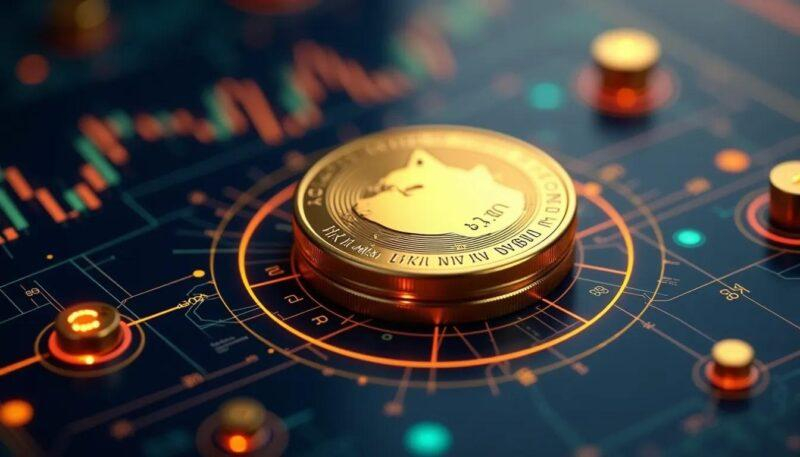
In the rapidly evolving world of cryptocurrency, Dogecoin has captured the hearts of both seasoned investors and curious newcomers alike. Known for its playful origin and vibrant community, Dogecoin offers more than just a fun meme-it’s become a legitimate digital asset with real value. But as with any treasure, protecting your Dogecoin is paramount. Securing your wallet isn’t just about guarding coins; it’s about preserving trust, confidence, and the freedom to transact safely in a decentralized space. Whether you’re a proud hodler or a casual enthusiast, understanding the essentials of wallet security is your first step toward keeping your digital assets safe from the unexpected challenges lurking in cyberspace. Let’s explore practical tips to fortify your Dogecoin wallet and keep your crypto journey secure.
Understanding Different Types of Dogecoin Wallets
When managing Dogecoin, choosing the right wallet is essential for both convenience and security. Wallets generally fall into three main categories: hardware wallets, software wallets, and paper wallets. Hardware wallets are physical devices designed to store your private keys offline, providing top-notch protection against online threats. Software wallets, available as desktop or mobile apps, offer more accessibility but require careful attention to malware and phishing attacks. Paper wallets, though less common today, give you a tangible representation of your keys and are effective for long-term cold storage if handled properly.
Each wallet type has unique advantages and potential weaknesses. For instance, hardware wallets excel at security but often come with a cost and require some tech knowledge to set up. Software wallets, especially mobile versions, are user-friendly and perfect for daily transactions but may expose your Dogecoin to risks if your device is compromised. Paper wallets eliminate digital vulnerabilities but are vulnerable to physical damage and loss. Choosing a wallet should balance security needs with your own usage habits and comfort with technology.
| Wallet Type | Security Level | Best For | Drawback |
|---|---|---|---|
| Hardware Wallet | High | Long-term storage | Costly, setup complexity |
| Software Wallet | Medium | Daily transactions | Susceptible to malware |
| Paper Wallet | High (offline) | Cold storage | Physical damage risk |
- Backup your keys: Always keep multiple backups stored securely in different locations.
- Update regularly: Keep software wallets updated to benefit from the latest security patches.
- Use strong passwords: Protect access to your software wallets with complex, unique passwords.
Securing Your Wallet with Strong Password Practices
Protecting your Dogecoin starts with creating a password that is as resilient as your devotion to the coin itself. Avoid common pitfalls like using birthdays, pet names, or simple sequences. Instead, opt for long, unpredictable combinations of upper and lowercase letters, numbers, and special characters. Remember, the strength of your wallet’s shield is only as good as your password’s complexity.
To streamline security without sacrificing convenience, incorporate a reputable password manager into your routine. These tools store and encrypt your passwords, allowing you to generate unique and complex logins without the burden of memorization. Additionally, activating two-factor authentication (2FA) adds an essential layer of protection, ensuring that even if your password is compromised, unauthorized access remains difficult.
Consider the following checklist as a foundation for bulletproof password habits:
- Use at least 12 characters including special symbols
- Change passwords regularly and avoid reuse
- Enable two-factor authentication (2FA) wherever possible
- Employ password managers for secure storage
- Backup recovery phrases in a secure, offline location
| Password Practice | Recommended Action | Reason |
|---|---|---|
| Length | 12+ characters | More characters increase password entropy |
| Character Variety | Mix letters, numbers, symbols | Makes guessing or brute force harder |
| Password Manager | Use trusted software | Secure storage and easy management |
| Two-factor Authentication | Enable everywhere possible | Extra layer of account protection |
The Importance of Two-Factor Authentication in Wallet Security
Adding an extra layer of protection to your Dogecoin wallet is no longer optional-it’s essential. Two-factor authentication (2FA) creates this vital security barrier by requiring not just your password but also a second form of verification, such as a code sent to your phone or generated by an authenticator app. This reduces the risk of unauthorized access, especially if your password is compromised through phishing or data breaches.
Consider the following benefits of enabling 2FA on your wallet platform:
- Enhanced Security: Even if your password leaks, hackers need the second factor to get in.
- Immediate Alerts: Many 2FA systems notify you instantly of login attempts.
- Peace of Mind: Knowing your funds are better guarded lets you focus on smart trading rather than constant worry.
Below is a quick comparison of common 2FA methods to help you choose the best fit for your security needs:
| 2FA Method | Security Level | User Convenience |
|---|---|---|
| SMS Codes | Moderate | High |
| Authenticator Apps (Google Authenticator, Authy) | High | Moderate |
| Hardware Tokens (YubiKey) | Very High | Low |
Safe Backup Strategies for Your Dogecoin Wallet
Backing up your Dogecoin wallet isn’t just a good idea – it’s essential. Start by creating multiple copies of your wallet’s private keys or seed phrases, keeping them in separate, secure locations. Consider using physical media such as encrypted USB drives or paper backups stored in fireproof safes. Resist the urge to store backups solely on internet-connected devices, as hackers constantly search for exposed wallet data.
To add an extra layer of security, think about employing a hierarchical deterministic (HD) wallet. These wallets generate a fresh address for every transaction using a single seed phrase, reducing risks related to address reuse. Keep your seed phrase offline and never share it electronically. For the ultra cautious, splitting your seed phrase and using a Shamir’s Secret Sharing method can distribute parts of the backup across trusted parties, ensuring no single person holds complete access.
Below is a quick reference table outlining some popular backup methods along with their key advantages and potential drawbacks:
| Backup Method | Advantages | Considerations |
|---|---|---|
| Paper Wallet | Offline, immune to malware | Prone to physical damage or loss |
| Encrypted USB Drive | Portable, easy to update | Must guard against theft or hardware failure |
| Cloud Storage (Encrypted) | Accessible from anywhere | Relies on encryption strength and account security |
| Shamir’s Secret Sharing | Distributes risk among multiple holders | Requires trusted partners |
Recognizing and Avoiding Common Security Threats
Recognizing threats is the cornerstone of protecting your digital assets. Phishing attempts often disguise themselves as genuine wallet notifications or exchange emails, aiming to steal your private keys or passwords. Always scrutinize URLs and avoid clicking links from unsolicited sources. Keep in mind that no legitimate service will ask for your private keys via email or messaging apps.
Malware and keyloggers pose an equally dangerous risk by quietly monitoring your keystrokes or taking snapshots of your screen. Running regular antivirus scans and using hardware wallets can mitigate these risks effectively. Hardware wallets isolate your private keys from internet-connected devices, drastically reducing exposure to such attacks.
Below is a table summarizing common security threats alongside smart avoidance strategies to keep your Dogecoin secure:
| Threat | Description | How to Avoid |
|---|---|---|
| Phishing | Fake emails or websites mimicking legitimate sources | Verify URLs, never share private keys |
| Malware & Keyloggers | Software tracking keystrokes and screen activity | Use antivirus, switch to hardware wallets |
| Fake Wallet Apps | Imitations designed to steal credentials | Download apps only from official sources |
- Enable two-factor authentication (2FA) whenever possible to add an extra layer of security.
- Regularly update software and wallets to patch vulnerabilities.
- Backup your wallet and private keys securely offline to prepare for unexpected data loss.
Q&A
Q&A: Keeping Your Dogecoin Safe – Wallet Security Tips
Q1: Why is wallet security important for Dogecoin holders?
A: Just like a physical wallet holds your cash, a digital wallet stores your Dogecoin. Without proper security, hackers can steal your coins, and unlike a bank, cryptocurrency transactions are irreversible. Protecting your wallet ensures your Dogecoin stays in your hands.
Q2: What types of wallets are available for storing Dogecoin?
A: There are several options:
- Hardware Wallets: Physical devices that keep your private keys offline, offering robust security.
- Desktop Wallets: Software installed on your computer, providing convenience with moderate security depending on your device’s safety.
- Mobile Wallets: Apps on your phone, great for accessibility but potentially vulnerable if your phone is lost or compromised.
- Web Wallets: Online services that store your Dogecoin on the cloud-easy to use but susceptible to phishing and hacks if not carefully managed.
Q3: How can I keep my private keys safe?
A: Your private key is the master key to your coins. Never share it. Store it offline-write it down on paper or save it in a secure physical safe. Avoid digital storage on cloud services or plain text files that can be hacked.
Q4: What is two-factor authentication (2FA) and should I use it?
A: 2FA adds an extra layer of security by requiring a second verification step (like a code from your phone) when accessing your wallet or exchange. It greatly reduces the risk of unauthorized access and is highly recommended.
Q5: Are there any common mistakes Dogecoin holders make that compromise wallet security?
A: Yes, common pitfalls include:
- Using weak or reused passwords
- Falling for phishing scams disguised as legitimate services
- Storing private keys or recovery phrases digitally without encryption
- Ignoring software updates that patch security vulnerabilities
Q6: What should I do if I believe my Dogecoin wallet has been compromised?
A: Act swiftly: move your funds to a new secure wallet with fresh keys, change passwords, enable 2FA, and notify any related services. Report the incident to community forums or support channels to raise awareness.
Q7: How often should I back up my Dogecoin wallet?
A: Regular backups are essential. Whenever you create a new wallet or get a new recovery phrase, back it up immediately. If your wallet supports it, schedule periodic backups to prevent loss from device failure or accidental deletion.
Q8: Is it safer to keep my Dogecoin on an exchange or in my personal wallet?
A: Exchanges can be convenient but are targets for hacks and may restrict withdrawals. Keeping Dogecoin in a personal wallet, especially a hardware wallet, puts you in full control and is generally safer for long-term storage.
Q9: How can I spot phishing attempts targeting my Dogecoin?
A: Be suspicious of unsolicited messages asking for private keys or passwords. Check website URLs carefully-look for “https” and verify the domain to avoid fake sites. Never click suspicious links or download attachments from unknown sources.
Q10: Any final tips for Dogecoin enthusiasts to safeguard their digital treasure?
A: Always keep learning about the evolving security landscape. Treat your wallet like a treasure chest: lock it tight, guard your keys, and stay vigilant. When in doubt, seek advice from trusted community sources and never rush when handling your Dogecoin.
In Retrospect
Keeping your Dogecoin secure is more than just a precaution-it’s a vital part of being a responsible digital currency owner. By understanding the various wallet options and adopting strong security practices, you not only protect your assets but also contribute to the integrity of the Dogecoin community. Remember, in the world of crypto, vigilance is your best friend. Keep your wallets close, your keys closer, and enjoy the ride on this ever-evolving digital journey with confidence.
