
In the ever-evolving landscape of cryptocurrencies, Dogecoin has carved out a unique niche-part meme, part movement, and fully mesmerizing to both casual enthusiasts and serious investors. Yet, it doesn’t stand alone; a diverse universe of altcoins pulses with innovation, ambition, and the promise of reshaping our financial future. This article takes a balanced look at Dogecoin’s role amid the sprawling constellation of digital rivals, exploring how it stacks up against its altcoin counterparts in terms of technology, community, and potential. Whether you’re a crypto curious newcomer or a seasoned trader, understanding this dynamic rivalry sheds light on the broader story of decentralized currency in the 21st century.
Understanding the Origins and Community Spirit Behind Dogecoin
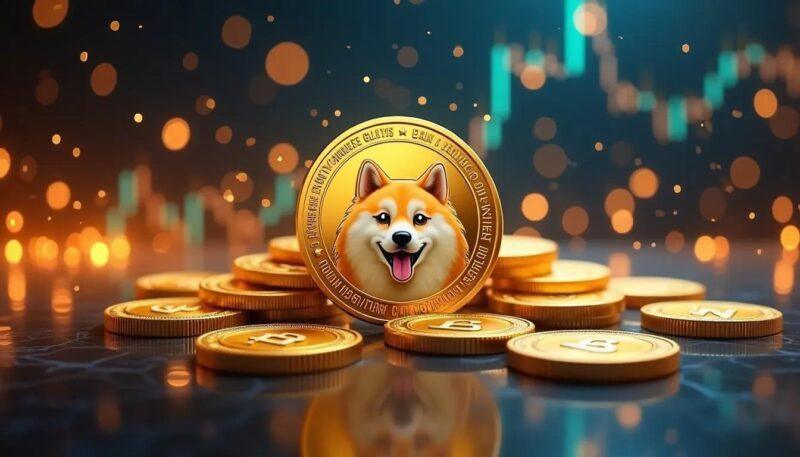
Born from the playful corners of the internet, this cryptocurrency quickly transcended its meme origins to become a symbol of digital camaraderie and open access. Its inception was inspired by a popular Shiba Inu dog meme, infusing a lighthearted spirit into the otherwise serious and technical world of blockchain. This approachable mascot helped foster a welcoming vibe, drawing in novices and veterans alike who resonated with its blend of humor and innovation.
What truly sets this digital currency apart is its thriving community, which thrives on generosity and collaboration. Notable for its philanthropic gestures and grassroots crowdfunding efforts, members often rally together for causes ranging from sponsoring athletes to funding clean water projects. This culture of kindness has become an integral part of its identity, reminding the crypto space that progress can be powered by empathy.
Amidst an expanding landscape of alternatives, several characteristics distinguish it beyond just the meme factor:
- Rapid Transaction Speeds: Designed for quick and low-cost transfers, ideal for microtransactions.
- Inflationary Supply Model: Unlike capped cryptocurrencies, its predictable inflation fosters continuous network incentives.
- Grassroots Engagement: Highly active and informal community channels promote open participation and regular events.
| Attribute | Dogecoin | Typical Altcoins |
|---|---|---|
| Origin | Meme-inspired, fun community | Tech-driven, utility-focused |
| Supply | Unlimited, inflationary | Often capped or deflationary |
| Community Role | Philanthropic and social | Innovation and development |
| Transaction Speed | Fast and low-fee | Varies widely |
Examining Key Technological Differences Among Popular Altcoins
When diving into the world of popular altcoins, the technological foundations set each digital currency apart, shaping user experience, scalability, and security. For instance, while Dogecoin embraces simplicity with its Scrypt-based Proof of Work algorithm inherited from Litecoin, other altcoins like Ethereum employ innovative consensus mechanisms such as Proof of Stake, drastically reducing energy consumption and enabling smart contract functionality. These differences not only affect transaction speed but also determine the ecosystems and applications each coin supports.
Features that distinguish major altcoins include:
- Consensus Protocol: From Proof of Work (PoW) in Dogecoin to Delegated Proof of Stake (DPoS) in EOS, this mechanism defines how transactions are validated and blocks are added.
- Smart Contract Capability: Ethereum and Binance Smart Chain provide programmable contracts, far beyond Dogecoin’s primary use as a peer-to-peer currency.
- Scalability Solutions: Layer 2 protocols and sharding techniques utilized by coins like Polygon and Solana contrast with Dogecoin’s straightforward blockchain, impacting throughput and fees.
| Altcoin | Consensus Type | Transaction Speed | Unique Feature |
|---|---|---|---|
| Dogecoin | PoW (Scrypt) | ~1 min | High community engagement |
| Ethereum | PoS | ~12 sec | Smart contracts platform |
| Solana | PoH + PoS | <1 sec | Ultra-fast throughput |
| Binance Smart Chain | PoSA | ~3 sec | Cross-chain compatibility |
Assessing Market Performance and Investment Potential
When evaluating the performance of Dogecoin alongside its altcoin counterparts, it’s essential to consider both market behavior and long-term viability. Dogecoin’s steady rise in popularity largely stems from its vibrant and dedicated community, coupled with frequent endorsements from high-profile figures. However, this enthusiasm doesn’t always translate into sustained price stability, making it unpredictable compared to some technologically innovative altcoins that aim to solve real-world problems with decentralized applications and smart contracts.
Investment potential often hinges on several key factors, such as technological development, use case adoption, and liquidity. While Dogecoin benefits from high liquidity and wide acceptance in payments and tipping culture, many altcoins show promise through groundbreaking features like decentralized finance (DeFi) capabilities and enhanced scalability solutions. Investors seeking exposure to the crypto market must weigh the simplicity and brand recognition of Dogecoin against the innovation-driven narratives of emerging altcoins.
| Criteria | Dogecoin | Altcoins (Example) |
|---|---|---|
| Community Support | Strong, meme-driven | Varied, tech-focused |
| Technological Innovation | Minimal upgrades | Advanced smart contracts |
| Market Volatility | High spikes & drops | Moderate, tech-related cycles |
| Use Cases | Digital tipping, payments | DeFi, NFTs, gaming, utilities |
Ultimately, a balanced evaluation means recognizing that Dogecoin serves as an entry point for many new investors drawn by its accessibility and brand, whereas altcoins typically offer more diversified risk and reward through their utility-driven ecosystems. Crafting a portfolio that includes both can mitigate risks while positioning investors to benefit from distinct strengths within the crypto landscape.
Evaluating Use Cases and Real-World Applications
While Dogecoin started as a meme-inspired cryptocurrency, its real-world uses have steadily expanded, gaining traction in niche communities for tipping content creators and microtransactions. Its low transaction fees and fast processing times make it appealing for small-scale transfers, especially in online ecosystems where quick, casual payments bring more engagement than traditional banking methods. However, when compared to other altcoins with more sophisticated smart contract capabilities or specialized utilities, Dogecoin’s scope remains primarily transactional.
Altcoins such as Ethereum, Cardano, and Solana push the boundaries with decentralized applications (dApps), DeFi platforms, and NFT marketplaces. These networks are designed to support complex programmable ecosystems, empowering developers and enterprises to build on their blockchains with multi-layer utilities. Dogecoin’s simplicity is a double-edged sword-it’s easy to use but lacks the flexibility many projects require to innovate beyond straightforward currency transfers.
- Dogecoin: Microtransactions, tipping, community crowdfunding.
- Ethereum: Smart contracts, DeFi, dApps.
- Ripple (XRP): Cross-border payments, banking integrations.
- Chainlink: Decentralized oracles, data feeds for contracts.
| Coin | Primary Use Case | Transaction Speed | Unique Feature |
|---|---|---|---|
| Dogecoin | Peer-to-peer payments | ~1 minute | Community-driven culture |
| Ethereum | Smart contracts & dApps | ~15 seconds | Programmability |
| Ripple (XRP) | Banking & remittances | 3-5 seconds | Enterprise integrations |
Guidance for Choosing Between Dogecoin and Alternative Cryptocurrencies
Choosing between Dogecoin and its myriad of alternative cryptocurrencies requires a blend of curiosity, prudence, and a clear understanding of your investment goals. Dogecoin’s charm lies in its community-driven spirit and lower transaction fees, making it an accessible entry point for newcomers. However, alternative coins often boast more advanced technological features, such as smart contract capabilities, privacy protocols, or unique consensus mechanisms that may better align with specific use cases or long-term visions.
When weighing your options, it’s crucial to assess key factors that influence utility and potential growth. Consider elements such as:
- Community Support: Does the cryptocurrency foster an active and engaged user base?
- Development Activity: Are there frequent updates and transparent roadmaps from the core team?
- Use Cases: Is the currency designed primarily for payments, decentralized applications, or governance?
- Market Dynamics: How volatile is the coin and what is its market cap relative to peers?
| Criteria | Dogecoin | Typical Altcoin |
|---|---|---|
| Community Engagement | Strong, meme-driven | Varies, often niche-focused |
| Technological Innovation | Basic transactional use | Advanced features (DeFi, NFTs) |
| Volatility | Moderate | High to very high |
| Transaction Costs | Low | Variable |
Q&A
Q&A: Dogecoin vs Altcoins – A Balanced Look at Digital Rivals
Q1: What exactly is Dogecoin, and how did it originate?
A1: Dogecoin started as a lighthearted cryptocurrency in 2013, inspired by the popular “Doge” meme featuring a Shiba Inu dog. Created by software engineers Billy Markus and Jackson Palmer, it was meant to be a fun, approachable alternative to Bitcoin. Despite its playful beginnings, Dogecoin quickly developed a passionate community and carved out a unique place in the crypto space.
Q2: How do altcoins differ from Dogecoin?
A2: Altcoins-or alternative coins-are any cryptocurrencies other than Bitcoin. Dogecoin itself is an altcoin, but in this comparison, “altcoins” typically refers to a vast array of coins and tokens with diverse purposes, such as Ethereum, Cardano, or Solana. While Dogecoin leans on community-driven popularity and simplicity, many altcoins focus on technological innovation, smart contracts, or solving specific problems.
Q3: What makes Dogecoin stand out among the altcoin crowd?
A3: Dogecoin’s charm lies in its accessibility and culture. It’s often seen as the “fun currency”-easy to mine, with low transaction fees and a welcoming vibe. Its strong social media presence, celebrity endorsements, and charitable initiatives set it apart, giving it a personality that many other altcoins lack, which can translate to loyal user support.
Q4: Are altcoins generally more technologically advanced than Dogecoin?
A4: In many cases, yes. Several altcoins are designed with groundbreaking features like smart contracts, decentralized finance (DeFi) capabilities, or improved scalability. Dogecoin, built on a fork of Litecoin, retains a simpler, less complex framework. This simplicity has both advantages, like speed and lower fees, and limitations, particularly in innovation.
Q5: How do Dogecoin and other altcoins compare in investment potential?
A5: Investment potential is nuanced and depends on goals and risk tolerance. Dogecoin’s value has been heavily influenced by social trends and community enthusiasm, which can lead to volatility. Altcoins, especially those with strong technological backing and use cases, might offer more sustainable growth prospects but can also carry technical risks. Diversification and careful research are key.
Q6: Can Dogecoin coexist with the vast universe of altcoins?
A6: Absolutely. The cryptocurrency ecosystem thrives on diversity. Dogecoin fulfills a niche of community-driven fun and accessibility, while many altcoins push the boundaries of technology and adoption. Instead of outright competition, they often complement each other, giving users various options based on their needs and interests.
Q7: What should newcomers consider when choosing between Dogecoin and other altcoins?
A7: Reflect on what you want from your crypto experience. If community spirit, ease of use, and pop culture appeal resonate with you, Dogecoin might be a great fit. If you’re more interested in cutting-edge technology, decentralized applications, or specific financial solutions, exploring other altcoins could be worthwhile. Always research, stay curious, and never invest more than you’re willing to lose.
Q8: Is it fair to say Dogecoin is just a “joke coin”?
A8: While Dogecoin began as a joke, it has matured into a serious player with a devoted community and real-world usage, from tipping content creators to facilitating microtransactions. Labeling it merely a “joke” overlooks its cultural impact and the unique role it plays within the crypto landscape.
Q9: How does community influence affect Dogecoin compared to altcoins?
A9: Community is Dogecoin’s heartbeat-its momentum frequently surges through social media, celebrity endorsements, and grassroots campaigns. Many altcoins also boast dedicated communities, but Dogecoin’s grassroots, meme-fueled origins give it a distinct vibrancy. Community influence can sway price and adoption in both cases, but Dogecoin exemplifies how culture can shape crypto value.
Q10: What does the future hold for Dogecoin and altcoins alike?
A10: The crypto world is ever-evolving. Dogecoin’s future may hinge on sustaining its community and finding more practical applications, while altcoins will likely continue innovating and solving complex challenges. Together, they contribute to a dynamic digital ecosystem where experimentation and enthusiasm coexist, pushing the boundaries of what money can be.
Wrapping Up
In the ever-evolving landscape of digital currencies, Dogecoin and its myriad altcoin rivals each bring unique stories, communities, and innovations to the table. While Dogecoin’s playful origins and widespread appeal continue to capture hearts and headlines, altcoins push boundaries with specialized technologies and ambitious visions. Ultimately, choosing between them isn’t just about market value or hype-it’s about understanding the diverse ecosystem they inhabit and appreciating how each digital contender contributes to the rich tapestry of cryptocurrency’s future. Whether you lean toward Dogecoin’s spirited charm or the avant-garde promises of altcoins, the coming chapters in this digital saga promise to be as unpredictable as they are exciting.
